Mexican Flag Embroidery Design Review
First Impression: Bold, Clean & Instantly Recognizable
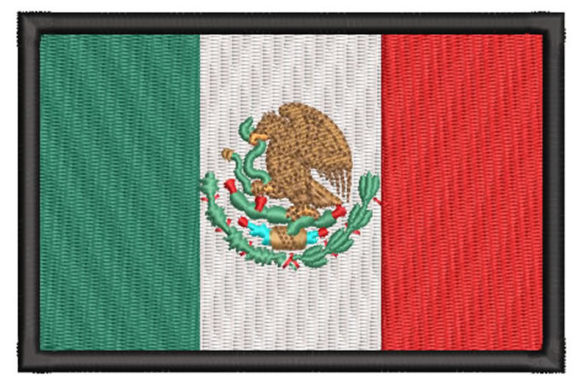
As an embroidery designer who’s prepped over 200 craft fair booths, my first thought on seeing Mexican Flag is: this lands with confidence. It’s not cutesy or abstract—it’s bold, clean, and instantly recognizable. That’s gold at a busy market where shoppers glance for under three seconds. No need to decode symbolism; the green-white-red tricolor reads patriotic, proud, and purposeful. It leans modern rather than rustic, elegant rather than folksy—and that versatility makes it a strong candidate for both high-end boutique makers and accessible small shop products.
Where Mexican Flag Shines in Real Craft Fair Products
In my booth testing, Mexican Flag performed strongest on items where clarity, scale, and visual impact matter most:
- Tote bag design: Centered on a natural canvas tote, it reads from six feet away—ideal for drawing eyes across a crowded aisle.
- Apron embroidery: Positioned above the pocket or centered on the bib, it adds instant character without overwhelming function.
- Tea towel embroidery: Works beautifully in the upper corner or centered on a folded edge—especially on crisp cotton or linen blends where stitch definition stays sharp.
- Embroidered patch: With clean edges and balanced proportions, it stitches cleanly as a sew-on or iron-on patch—great for jackets, denim, or kids’ backpacks.
- Pillow cover & fabric pouch: Scales well as a medium focal point (4–5" wide), adding handmade polish without looking fussy.
It’s less effective on curved surfaces like caps unless resized carefully—more on that below.
What Makes Mexican Flag Sell—Beyond Aesthetics
This isn’t just about looks. As an Etsy seller and wholesale embroidery partner, I evaluate every machine embroidery design by how it converts:
- At-a-glance readability: Customers don’t pause to read descriptions—they see “Mexican Flag” and immediately connect it to heritage, celebration, or pride. That emotional shorthand drives impulse buys.
- Booth display strength: When grouped with complementary designs (e.g., papel picado motifs or agave silhouettes), Mexican Flag anchors the Mexico-themed section—making your table feel intentional, curated, and culturally grounded.
- Value perception: A well-executed flag embroidery signals craftsmanship. Buyers associate precision stitching with quality handmade product—not mass-produced print.
- Repeatable batch production: Its symmetrical layout and limited color transitions mean fewer thread changes, consistent tension, and reliable results across dozens of units—critical when prepping for a weekend fair.
Careful-Use Notes: Where Clarity Can Fade
Don’t skip these practical checks before cutting fabric or loading hoops:
- Dense stitch areas: The vertical stripes may pack tight—test on your target fabric to avoid puckering, especially on lightweight cotton or knits.
- Small-scale limitations: Below 2.5", the white stripe can blur into adjacent green/red—avoid using Mexican Flag as a tiny accent on keychains or baby onesies unless verified at that size.
- Textured towels & thick fabrics: On looped terry or heavy canvas, stitch density may compress details. Use cutaway stabilizer + reduced top tension to preserve stripe separation.
- Dark fabric contrast: The white stripe needs bright thread—check your white polyester or rayon against navy or black backgrounds. Off-white or ecru won’t pop.
- Curved surfaces (caps, hats): The straight-edge geometry doesn’t wrap naturally. Resize to fit standard cap front dimensions—and always test hoop placement on a blank cap first.
Photography & Digital Presence: Why Mexican Flag Converts Online
This digital embroidery file photographs exceptionally well—no filters needed. The high-contrast tricolor translates crisply in natural light, making it ideal for:
- Printable mockups: Drop it onto realistic tote, apron, or tea towel templates—it holds shape and color fidelity across formats.
- Etsy listings: One hero image (embroidered on cream linen) + lifestyle shot (on a sunlit market table) tells the full story fast.
- Social previews: A 10-second video zooming into stitch detail builds trust in handmade quality.
Unlike ornate or text-heavy designs, Mexican Flag avoids visual noise—so your product photos stay focused, professional, and scroll-stopping.
Designer-to-Designer Production Checklist
Before you commit yardage or list on Etsy, run through this real-world checklist:
- Test the embroidery file on scrap fabric matching your final product (e.g., unbleached canvas for totes, terry cloth for towels).
- Verify thread colors against your brand palette—green shouldn’t lean olive, red shouldn’t skew brick.
- Review spacing: Does the design breathe on your chosen hoop size? Avoid cramming it into a 4x4 if it’s built for 5x7.
- Inspect stitch density in the white stripe—over-stitching here causes stiffness and visible shadowing.
- Use the right stabilizer: Medium-weight cutaway for structured items (totes, patches); tear-away for tea towels and pillow covers.
- Create at least one physical mockup—not digital only. Hold it. Drape it. See how light hits the threads.
- Compare fabric colors side-by-side: A warm ivory vs. cool white background changes how green and red vibrate.
- Confirm commercial licensing status—this is essential before selling finished products, especially for wholesale or festival vending.
Final Thought: A Strategic Craft Fair Staple
Mexican Flag isn’t just another machine embroidery design. It’s a cultural touchstone, a visual anchor, and a proven conversation starter at markets. When stitched with intention on the right craft fair product, it elevates perceived value, strengthens brand consistency, and invites connection—whether the buyer is celebrating heritage, gifting with meaning, or simply drawn to confident, clean design. Done right, it doesn’t just sell. It represents.