Cross of Jerusalem Embroidery Design Review
First Impression: Classic, Reverent, and Professionally Balanced
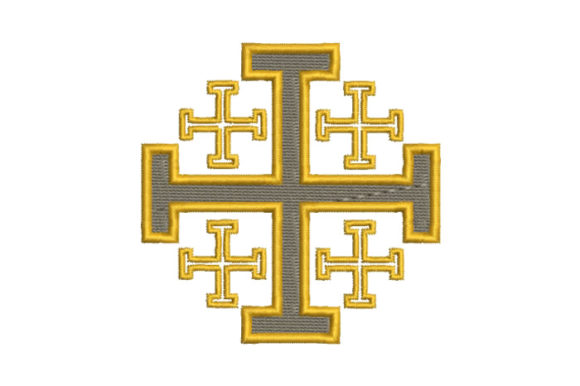
As an embroidery designer who’s developed hundreds of commercial designs for small businesses—from artisan bakeries to faith-based boutiques—I immediately recognize Cross of Jerusalem as a thoughtfully composed machine embroidery design. It doesn’t shout; it invites. The title suggests historical weight and spiritual resonance, while the description—“a lovely accent to any creative project related to religion or church”—signals intentionality over ornamentation. Visually, it reads as classic yet clean: not overly ornate, not minimalist to the point of abstraction. That balance makes it unusually versatile for branded merchandise where tone matters as much as visibility.
Real-World Business Use: Where Cross of Jerusalem Shines
Cross of Jerusalem works exceptionally well as an embroidered patch for small business merch. Think café aprons with subtle chest logos, boutique tote bags carrying hand-poured candles or dried florals, or staff caps for a local pet sanctuary that honors quiet compassion. Its symmetry and moderate detail translate cleanly at 2–3 inches—ideal for cap fronts, sleeve accents on work shirts, or corner branding on linen napkins or product packaging.
- Embroidered patches: Holds crisp definition when heat-sewn or sewn-on; ideal for attaching to denim jackets, canvas totes, or reusable shopping bags sold by handmade brands.
- Apron embroidery: Reads clearly on cotton or poly-cotton blends—even with light wear—and reinforces a sense of care and tradition without feeling stiff or formal.
- Cap embroidery: Performs reliably on structured front panels, especially when paired with a simple monogram or shop name below it.
- Tote bag design: Scales beautifully on natural canvas or unbleached cotton—adding visual warmth without overwhelming the fabric’s texture.
- Custom apparel & event merch: Used across staff uniforms for church-run community cafés, retreat centers, or floral studios hosting sacred ceremonies—it builds cohesion without sacrificing individuality.
Where to Use Cross of Jerusalem with Intention
This isn’t a one-size-fits-all design—and that’s its strength. For maximum impact and durability, avoid pushing Cross of Jerusalem into contexts where clarity or longevity is compromised:
- Below 1.5 inches: Fine inner lines and proportional arms may blur or stitch poorly on tiny patches (e.g., keychain tags or lapel pins). Always test at your target size first.
- Highly curved surfaces: Cap crowns or rounded tote handles require careful digitizing adjustments—confirm the file includes underlay and pull compensation if using for production.
- Textured or unstable fabrics: Linen, burlap, or loosely woven hemp need extra stabilizer support. The design’s balanced stitch density helps—but don’t skip proper backing.
- Dark uniforms with low-contrast thread: If using navy or charcoal workwear, verify thread color contrast in your digital embroidery file preview before stitching.
- Frequently washed items: While well-digitized crosses hold up, always pair with quality threads and recommend gentle cycles to clients—especially for aprons or staff shirts.
Brand Identity Impact: More Than Just a Symbol
For small businesses rooted in values—whether a flower shop honoring seasonal rituals, a bakery baking communion bread, or a craft studio supporting spiritual creativity—Cross of Jerusalem does more than decorate. It quietly affirms alignment. When used consistently across aprons, packaging, and customer thank-you cards, it strengthens brand identity through repetition and reverence. Customers notice the intention behind the detail: the even spacing between arms, the grounded proportions, the absence of flashiness. That consistency builds trust—not dogma—and elevates perceived product value. It signals craftsmanship, not just convenience. In Etsy shops or local markets, that distinction drives engagement and repeat purchases.
Practical Designer Notes for Commercial Embroidery
Before launching Cross of Jerusalem into production, run these checks—every time:
- Test in black and white first: Confirm legibility and balance without color distraction.
- Verify small-patch viability: Resize to your smallest intended use (e.g., 1.75”) and inspect stitch paths in your embroidery software.
- Review thread color contrast: Especially on dark or textured fabric—what looks elegant on screen may vanish on garment.
- Inspect spacing and density: Ensure no floating elements or overcrowded intersections that could cause puckering.
- Confirm hoop size compatibility: Does it fit your standard hoops? Will it require re-hooping mid-stitch on larger formats?
- Test on real fabric: Run a sample on your actual base material—not just stabilizer alone.
- Use appropriate stabilizer: Tear-away for stable cottons; cut-away for knits or stretchy blends.
- Create a printable mockup: Show clients how it’ll look on their tote, cap, or apron—before committing thread and time.
- Compare beside other design assets: Does it harmonize with your logo, typography, or secondary icons?
- Confirm commercial licensing: Since this is a digital embroidery file intended for small business merch and branded patch use, ensure your purchase grants rights for resale and promotional use.
Final Thought: A Quiet Anchor for Purpose-Driven Brands
Cross of Jerusalem isn’t flashy—but it’s memorable. It doesn’t compete with your brand voice; it supports it. Whether you’re embroidering for a neighborhood florist weaving liturgical arrangements or a handmade soap brand inspired by sacred rituals, this machine embroidery design delivers quiet authority and visual harmony. It respects the craft, honors the context, and performs reliably across apparel, patches, and product labels. For small business owners and embroidery professionals alike, that reliability—paired with meaningful resonance—is the hallmark of a truly valuable design asset.