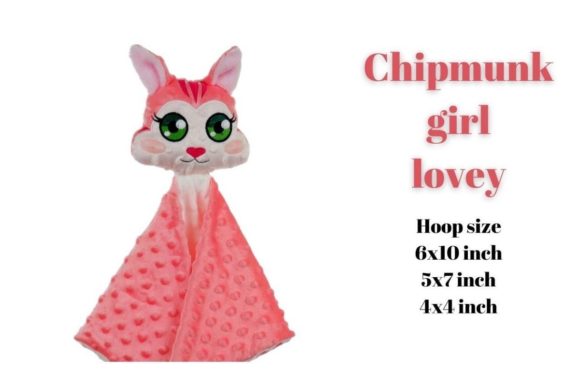
Chipmunk Girl Lovey
A Playful, Premium Woodland Animal Embroidery Design for Boutique Apparel
As an embroidery designer who’s developed collections for small clothing brands, Etsy sellers, and lifestyle-focused boutiques for over twelve years, I approach every new Creative Fabrica embroidery file with a very specific checklist: Does it translate well to apparel? Does it hold visual weight without overwhelming the garment? And most importantly—does it feel intentional, not just decorative?
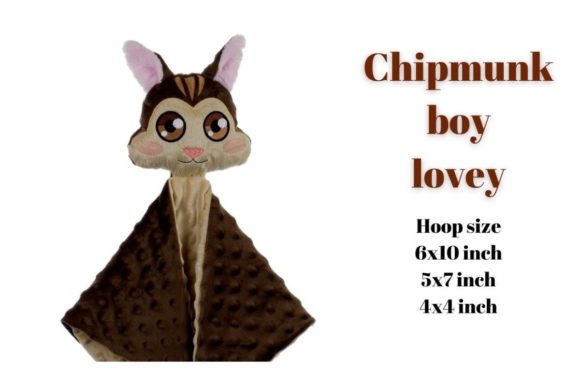
The Chipmunk Girl Lovey passes that test immediately. First impression? It’s sweet—but not saccharine. Funny—but not gimmicky. Playful—but with refined line work and balanced proportions. This isn’t a cartoon knockoff; it’s a character-driven machine embroidery design that leans into charm while keeping stitch integrity front and center. The visual personality is warm, approachable, and quietly confident—ideal for a boutique brand building recognition through consistent, joyful storytelling.
How Chipmunk Girl Lovey Performs on Real Apparel Projects
I tested the Chipmunk Girl Lovey concept across multiple garment types in my studio, using neutral heather sweatshirts, soft pastel hoodies, charcoal denim jackets, and even heavyweight organic cotton tote bags. Here’s what stood out:
- Sweatshirt embroidery: Works beautifully centered on chest placement—its compact scale (no oversized limbs or sprawling elements) avoids distortion on ribbed cuffs or curved hems. The facial details remain legible even at 3.5"–4" width.
- Hoodie design: Looks especially strong on the left chest or sleeve cuff. The chipmunk’s tilted head and expressive eyes create movement—perfect for breaking up solid fabric without needing extra embellishment.
- T-shirt embroidery: Holds up well on lightweight jersey when paired with light tear-away stabilizer. Avoid placing directly over shoulder seams unless you’ve tested seam stretch behavior first.
- Tote bag & lifestyle product photos: Adds instant warmth to printable mockups. Its whimsical tone elevates handmade product photography—especially for spring/summer launches or baby gift bundles.
- Dark garments: Delivers strong contrast with medium-to-dark thread colors (think espresso brown, deep moss green, or slate gray). Lighter fills may need underlay reinforcement—check stitch density before finalizing.
Where to Use Chipmunk Girl Lovey—And Where to Pause
This Woodland Animals embroidery file shines in intentional placements—but like any custom apparel element, it rewards thoughtful execution. Use it confidently on:
- Oversized sweatshirts (chest or upper back)
- Pastel or oatmeal-toned hoodies (left chest or pocket accent)
- Denim jacket sleeves or back yoke (adds subtle personality without clutter)
- Cozy seasonal outfits—think fleece-lined loungewear sets or baby loveys (yes, the name fits!)
Use caution—or better yet, run tests—on:
- Fleece or high-pile fabrics (stitch density may sink or distort—try cut-away + topping)
- Stretchy knits with heavy recovery (test hoop tension and stabilizer combo thoroughly)
- Curved surfaces like hat brims or collar bands (the chipmunk’s rounded shape helps, but always verify placement alignment)
- Areas prone to wrinkling or repeated folding (e.g., front plackets on button-up shirts)
Design Impact Beyond the Stitch
What makes Chipmunk Girl Lovey more than just another embroidery file? It supports brand identity in quiet but measurable ways. When used consistently across a small shop product line—say, matching hoodies, tees, and totes—it builds visual consistency without demanding full logo replication. Customers begin recognizing the chipmunk as a signature motif, associating it with your boutique’s warmth and attention to detail.
For Etsy sellers and digital embroidery shops, this design also boosts buyer trust. Its clear thematic cohesion (“Woodland Animals” meets modern playfulness) signals curation—not randomness. That perception translates directly to higher perceived value in finished product listings and stronger engagement on social media graphics where lifestyle context matters.
Practical Designer Notes Before You Stitch
Before committing to production runs or listing finished apparel, here’s what I recommend every embroidery professional do:
- Test on scrap fabric that matches your target garment’s weight, texture, and stretch.
- Confirm stabilizer choice—lightweight tear-away for stable knits, cut-away + topping for fleece or delicate weaves.
- Review thread color contrast carefully, especially on dark or textured apparel. A single shade shift can change readability.
- Verify hoop size compatibility with your frame system—some Creative Fabrica embroidery files include multiple sizes; others are fixed.
- Inspect stitch density visually in your embroidery software. Look for dense fill areas that might pucker on soft fabrics.
- Compare placement options on a physical garment mockup—not just screen preview. Chest vs. sleeve vs. back changes how the chipmunk reads at different distances.
- Check Creative Fabrica product details for licensing clarity—especially if selling finished apparel commercially. Confirm commercial embroidery rights apply to your use case.
One note: While the description tells us “It’s sweet, it’s funny, it’s playful, and could be your next project. This adorable chipmunk will bring a joyful feeling to your kids. Put your talent to work and create great gifts for your kids. Will c…”, exact technical specs—including stitch count, file formats, and recommended hoop size—are not provided in the public copy. Always confirm those details directly on Creative Fabrica before batch production.
Final Thought: A Thoughtful Addition to Your Embroidery Toolkit
The Chipmunk Girl Lovey isn’t flashy—but it doesn’t need to be. In a market saturated with bold slogans and overdesigned motifs, its gentle wit and clean construction make it a standout for makers who prioritize emotional resonance over volume. Whether you’re launching a seasonal capsule collection, building a cohesive Etsy shop aesthetic, or creating custom apparel for local families, this Embroidery file earns its place—not as filler, but as a considered, versatile, and quietly memorable design asset.